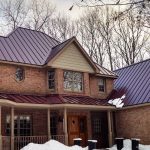
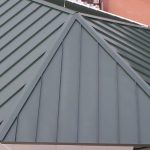
Two homes. Same neighborhood in Grand Rapids, Michigan. Same install year.
One roof fails in 10–15 years, succumbing to Michigan’s harsh winters and humid summers. The homeowner faces unexpected expenses and the hassle of replacement.
The other roof? Still strong at 40–50 years. A testament to durability, weathering countless storms and freeze-thaw cycles.
Why the drastic difference? It’s not just the roofing material itself – it’s the system behind it. Most homeowners don’t realize the subtle factors that separate a short-lived roof from a decades-long investment.
Today, as another Michigan winter begins to loosen its grip, let’s uncover the 10 hidden factors that determine whether your roof will last 10 years or 50, saving you thousands in the long run.
Installation Precision (The #1 Lifespan Multiplier)
The single most critical factor, often overlooked, is the precision of the initial roofing installation. Research shows that a staggering 90% of premature roof failures trace back to installation quality – surpassing material defects, maintenance neglect, and even extreme weather.
Think of it this way, even the most advanced materials will fail if installed poorly. Proper fastener placement, panel alignment, and meticulous flashing detail work are crucial.
Fastener Placement: Studies reveal that approximately 40% of new roofs contain installation defects that significantly reduce their lifespan. Driving fasteners at incorrect angles, outside manufacturer guidelines, or with improper torque compromises structural integrity from day one. For metal roofs, precise fastener depth is key to accommodating thermal expansion.
Panel Alignment: Especially critical for metal roofing, proper alignment ensures a watertight seal and allows for expansion and contraction without stress.
Flashing Detail Work: Leaks often originate at penetrations and transitions. Building codes dictate specific overlapping sequences and sealant application.
The National Roofing Contractors Association (NRCA) recommends flashing heights of at least eight inches for low-slope roofs. The difference between general roofers and metal specialists is stark. Metal roofing demands specialized knowledge of thermal expansion, clip spacing, and seaming techniques.
Ventilation Design (The Silent Roof Killer)
Proper attic ventilation is a silent workhorse, impacting summer heat, winter ice dams, and moisture management. Yet, it’s often treated as optional.
Summer Heat Buildup: Inadequate ventilation can cause attic temperatures to soar to 140°F on a 90°F day, prematurely deteriorating asphalt shingles and adhesives.
Winter Ice Dams: Warm, moist air from living spaces rises into poorly ventilated attics, condensing on the cold roof deck. This is especially problematic in Michigan’s climate, leading to wet insulation, mold, and wood rot. Ice dams form when melted snow refreezes at the eaves, backing up water under shingles.
Moisture + Condensation: Condensation leads to wet insulation, mold, and corrosion.
Soffit + Ridge Vent Balance: A balanced system of soffit (intake) and ridge (exhaust) vents is crucial. Industry standards recommend roughly one square foot of ventilation for every 150 square feet of attic floor space in cold climates.
Michigan’s high humidity and heavy snowfall make proper ventilation paramount.
Underlayment Quality (The Layer You Never See)
Underlayment provides a secondary barrier against water. Don’t confuse it with ice and water shield, a fully waterproof membrane for high-risk areas.
Synthetic vs. Felt: Synthetic underlayment offers superior water resistance and tear resistance compared to traditional felt.
Ice & Water Shield Importance: Building codes in many regions mandate ice and water shield in high-risk areas, especially in cold climates. It provides a waterproof seal around fasteners, preventing leaks in vulnerable locations.
Valley Protection: Valleys are natural low points where water concentrates. Proper underlayment and metal flashing are essential for shedding water effectively.
Fastener Systems and Hardware Grade
Don’t let small components undermine your roof’s longevity. While metal panels can last decades, improperly specified fasteners can fail in as little as 10 years.
Rust-Resistant Screws: Choose fasteners with protective coatings.
Gasket Longevity: Ensure the gasket material is designed to last as long as the panels.
Improper Torque: Over- or under-driven fasteners can compromise the seal.
The Metal Construction Association found that using non-long-life fasteners can reduce overall metal roof lifespan by 40 years or more!
Material Thickness and Coating Systems
Metal roofing panel thickness (gauge) impacts resistance to denting, oil canning, and extreme weather.
Gauge Differences in Metal: Residential installations typically use 26 or 24 gauge metal. 24 gauge is common for standing seam.
Paint Systems (PVDF vs. SMP): PVDF (Kynar/Hylar) offers exceptional UV resistance and color retention. SMP provides good protection and scratch resistance but fades more over time.
Corrosion Resistance: Crucial in Michigan’s humid climate.
Warranty Differences: Understand the terms and coverage.
Climate Compatibility
A roof designed for Colorado won’t perform well in Michigan, and vice versa. Our freeze-thaw cycles, heavy snow loads, and wind uplift demand specific system designs.
Freeze-Thaw Cycles: Repeated expansion and contraction stress roofing materials.
Heavy Snow Loads: Require adequate structural capacity.
Wind Uplift: Spring and fall windstorms can lift shingles and separate flashing.
Hail: Can cause significant damage, particularly to asphalt shingles.
Roof Deck Condition Before Installation
A premium roof installed over a compromised roof deck is a recipe for early failure.
Rotted Decking: Must be replaced before installation.
Uneven Substrate: Creates gaps and stress points.
Moisture Damage: Trapped moisture leads to mold and rot.
Proper Flashing and Penetration Sealing
A staggering 80% of roof leaks originate at penetration flashing.
Chimneys: Require proper counter-flashing.
Skylights: Need waterproof transitions.
Vents: Must be properly sealed.
Valleys: Open metal valleys are recommended for maximum water shedding.
Maintenance and Inspections
Even a well-installed roof needs ongoing care.
Debris Removal: Prevents moisture buildup and damage.
Gutter Clearing: Clogged gutters cause water to back up and seep under shingles.
Snow Retention Systems: Prevent dangerous snow slides.
Annual Checkups: Identify emerging problems early.

Contractor Experience and Accountability
📌 Ready to make a smart roofing decision?
You’re not just choosing a roof. You’re choosing how many times you want to replace it.