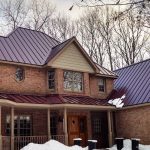
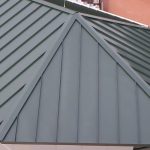
A new metal roof is easy to judge from the driveway. Straight panel lines and a well-chosen color make an immediate impression. The smaller details around a chimney, roof valley, or adjoining wall are harder to see, but they deserve just as much attention before you approve a roofing project.
Metal roof flashing is the material used to manage water at roof edges, intersections, and penetrations. For Michigan homeowners comparing a repair with a replacement, understanding these details helps turn a vague promise of a watertight roof into useful questions about the actual work.
What flashing does at a roof intersection
Most roof surfaces have interruptions. A chimney passes through the roof, a porch joins the house, or two slopes meet in a valley. Flashing connects those areas to the surrounding roofing so water has a planned route away from the building.
Think of the panels as part of a larger assembly. At an intersection, the important question is how the pieces work together. A finished surface should be evaluated alongside the underlying details, the roof configuration, and the instructions for the particular roofing system.
Where to ask about metal roof flashing
Walk around your property from the ground and note the features that interrupt the roof. Bring that list to the estimate conversation rather than trying to inspect the roof yourself.
Chimneys and adjoining walls deserve a clear explanation of how the roofing connects to the masonry or siding. A neat bead along an exposed joint is not enough information to assess the entire detail. Ask what components are included and which existing materials will be replaced.
Valleys deserve a separate conversation because they collect runoff from adjoining roof slopes. Skylights, plumbing vents, and changes in roof pitch also require details matched to their shape and position. A roof with several of these features needs a more specific proposal than a simple description of new panels.
Plan the details with the roof system
Metal roof flashing should be selected and installed as part of the specified roof system. Panel profile, drainage, material compatibility, and movement all influence the detail. A component that fits one assembly may be unsuitable for another. The manufacturer’s current instructions and project requirements should guide the final approach.
The Metal Construction Association’s Metal Roof Installation Manual is a useful industry reference for understanding why roofing details require system-specific planning. It is background reading for an informed conversation, rather than a substitute for the instructions and professional assessment for your roof.
Questions worth putting in writing
Before accepting a proposal, ask the contractor to identify the roof intersections included in the scope. Will chimney details be replaced, adapted, or retained after inspection? Are skylights included? Does the price cover the connection where a lower porch roof meets a wall?
Ask how existing conditions will be handled if removal exposes damaged material. Find out who will explain any proposed change and obtain your approval. Photos can also make the discussion easier, especially when an area cannot be seen safely from the ground.
A useful metal roof flashing proposal should make responsibilities understandable. It does not need to teach you installation techniques, but it should identify the important work and exclusions before the crew arrives.
What to do when an existing roof leaks
An interior stain is a reason to arrange an inspection, not a reliable diagnosis of the entry point. Tell the contractor when you first noticed it, which weather conditions accompanied it, and whether that area has been repaired previously. Photographs and earlier invoices may help explain the history.
Avoid climbing onto the roof or covering the area with an unapproved product. Ask for an explanation of the suspected source and why the recommended repair addresses it. If metal roof flashing is involved, request a description of the repair detail rather than assuming that more surface sealant is the complete solution.
A localized repair and a broader replacement solve different problems. The recommendation should follow the condition of the actual roof, including surrounding materials and access, rather than the age of one visible part alone.
Frequently asked questions
Does every metal roof use the same flashing?
No. Roof geometry and the specified panel system affect the required details. Ask about the products and instructions proposed for your building.
Can existing flashing stay during a replacement?
It needs assessment. Condition, compatibility, and the new roof design should guide that decision. Have the proposal state what is being retained and why.
Does a flashing concern always mean replacing the whole roof?
No. An inspection should establish the scope. Ask whether a targeted repair is appropriate and what conditions might make broader work necessary.
Discuss the details before work starts
S&T Metals provides residential metal roofing and roofing repairs for customers in Western and Central Michigan. If you are planning a project or investigating a leak, ask us to review the intersections as well as the main roof surface.
For questions about metal roof flashing on your home, call (616) 889-1058 or request a free roofing estimate. A clear discussion of the details helps you understand the proposed work before making a decision.